The York issue
How Long to Give York on a First Visit
What one day in York gets you, what a second night adds, and whether a third day is worth booking.

By Robin AspinallThe walls, the snickelways and the bits between them
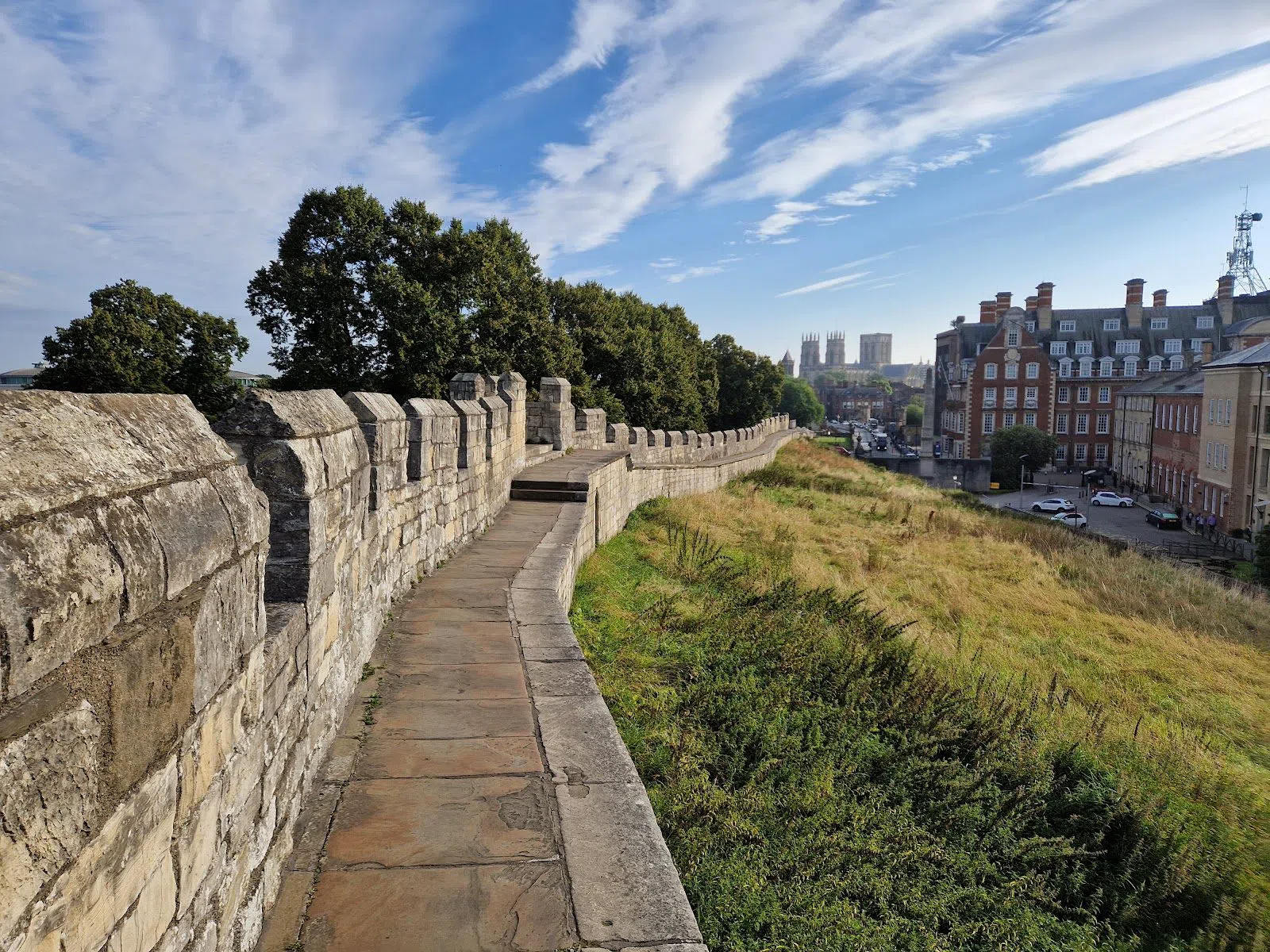
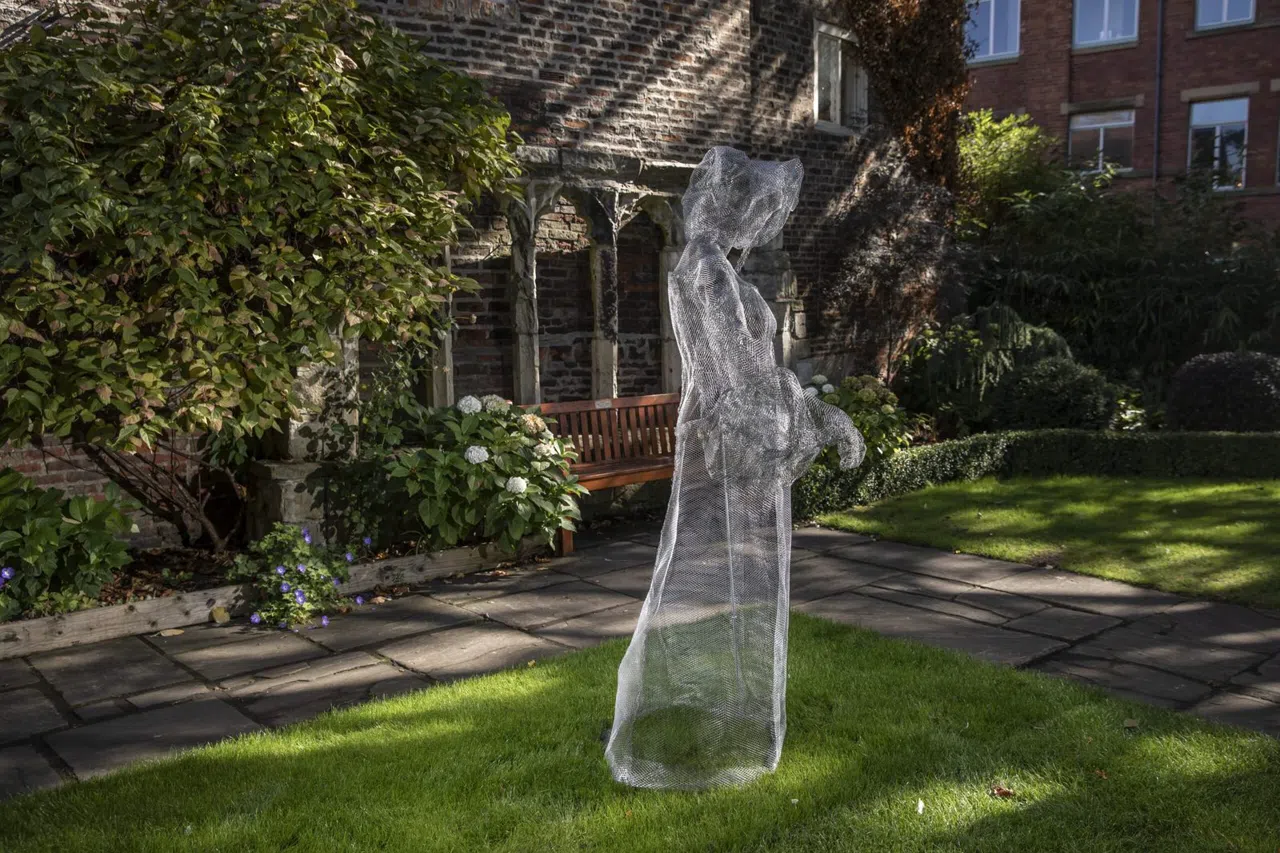
York is a walled centre you can cross on foot in twenty minutes, which is why it looks like a day trip on a map and so rarely behaves like one once you are inside it. The cathedral alone will absorb half a day if you climb the tower, the wall circuit takes two hours at a steady pace, and a queue for a hand-painted ghost can eat an afternoon. The question worth asking is what each additional night gives you back.
What a single day in York actually covers
Arrive on a mid-morning train, leave after an early dinner, and you have around eight usable hours. Spent honestly, that is two substantial things, one meal and a walk, rather than the five-stop itinerary people tend to write on the way in.
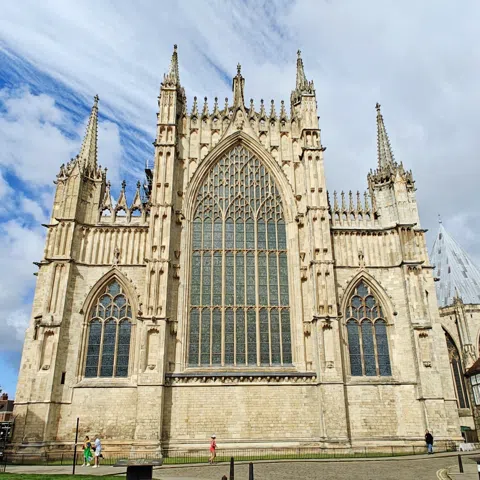
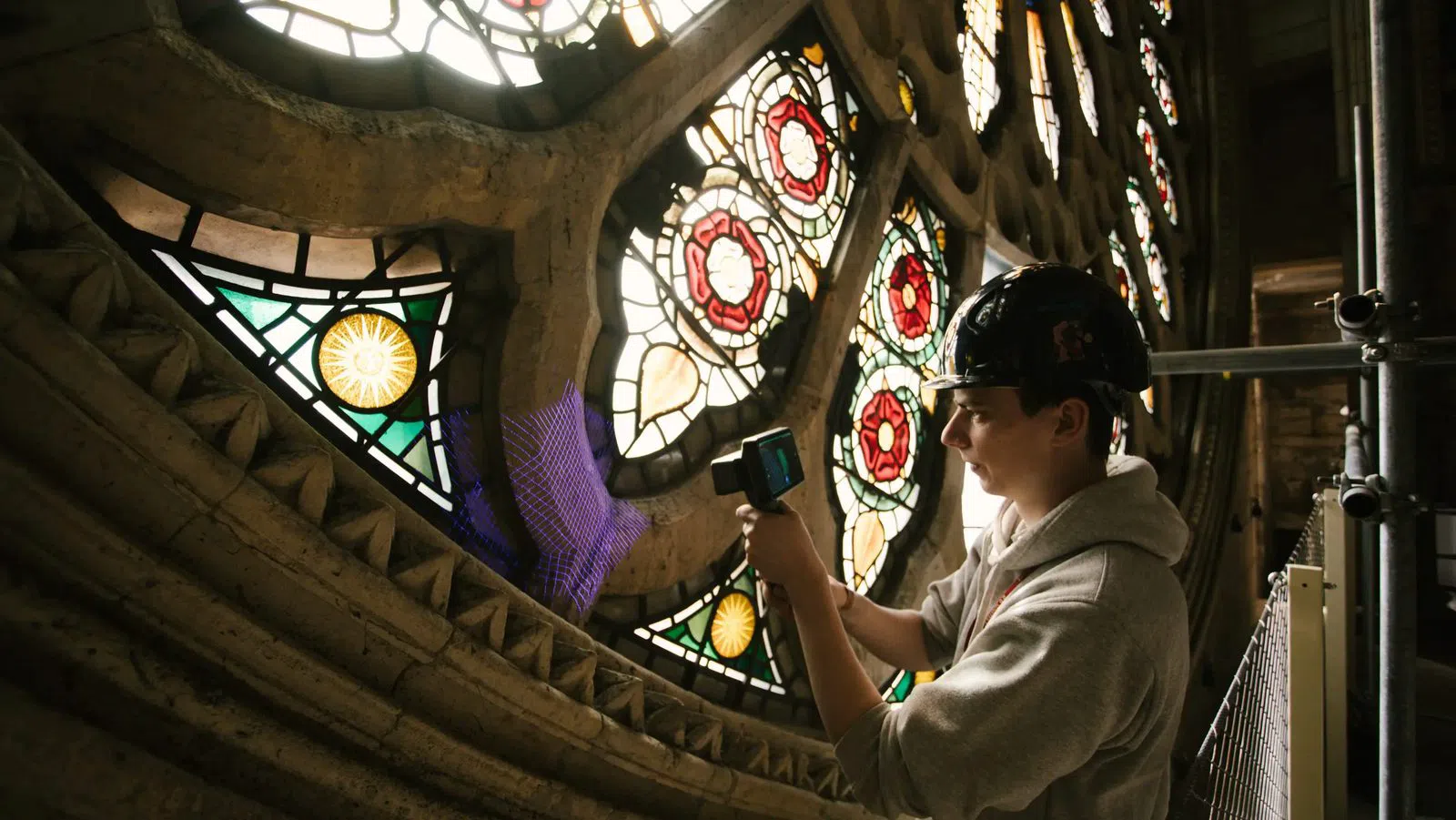
The version that works is the cathedral in the morning, lunch in the market, a section of wall in the afternoon and one short attraction before you go. York Minster (Minster Quarter, at the top of Deangate) is the fixed point and the reason a day feels tight. The adult sightseeing ticket is around £20 and stays valid for twelve months; children of 17 and under go free with a paying adult, up to four per adult, which makes it one of the cheapest family stops in the centre. The combined ticket including the central tower is about £26. Between the nave, the undercroft and the climb, half a day disappears without you hurrying anywhere.
What you give up on a single day is everything with a queue and everything more than fifteen minutes' walk from the centre. That is a real loss but not a fatal one. One day shows you York; two nights let you use it.
Plan your York trip
Live prices from our booking partners.
Free cancellation on many rooms. We may earn a commission when you book.
Give the Minster the morning
The tower climb is sold in small timed slots with a minimum age of eight, and slots go before the day does in summer. Book in advance rather than at the desk, and if you are travelling in a group of more than about six, expect to be split across two or three departures, because the staircase will not take you all at once. Agree a meeting point in the nave before you separate; it saves the twenty minutes everyone otherwise loses at the west door.
Underground, the undercroft covers the Roman and Norman layers beneath the present building, and it is the part most day visitors skip. It is also the part that makes sense of the rest of the city, so if you are only going to do one cathedral thing properly, do the undercroft and the nave rather than rushing all three.
Walk the walls before you do anything else
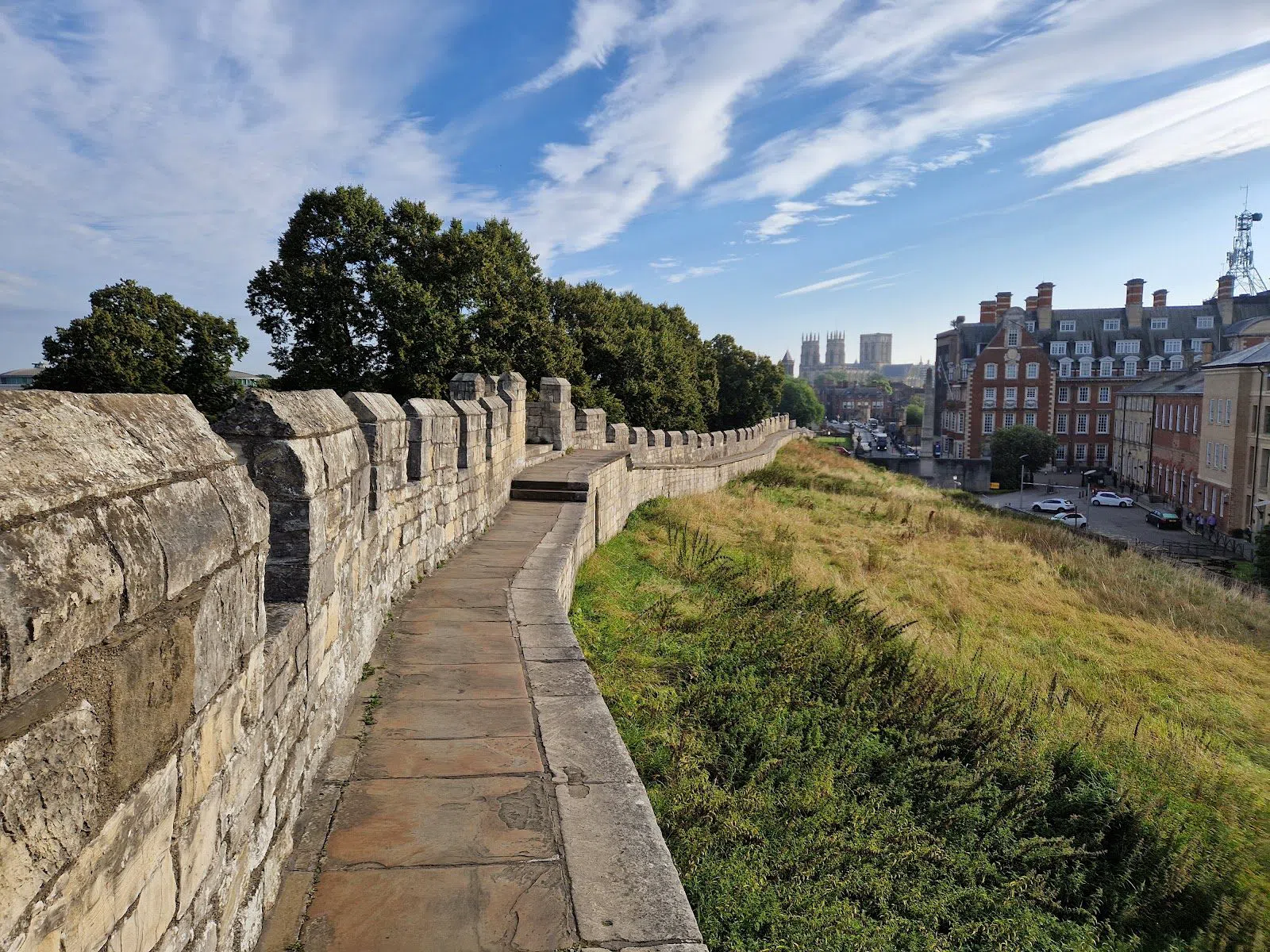
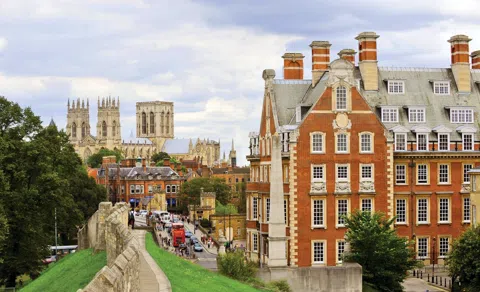
York City Walls, the Bar Walls that run in a broken loop around the old centre, are free, unticketed and open daily from 8am until dusk. At 3.4km they are the longest town walls in England, and the full circuit takes about two hours. Done first, they are the best orientation you will get: you see how short the distances actually are, which settles most of the arguments about how to spend the rest of your time.
Two practical caveats. The walkway is single-file in stretches, with uneven steps and no handrail in places, so a group strings out into a line rather than walking abreast; plan to talk at the bars, not on the rampart. Sections also close in snow, ice or for maintenance, so if you meet a barrier, drop to street level and rejoin at the next gate rather than doubling back.
What the second day buys you
A second day is what turns a sightseeing stop into a city break, and it is bought with four things that all sit within ten minutes of one another.
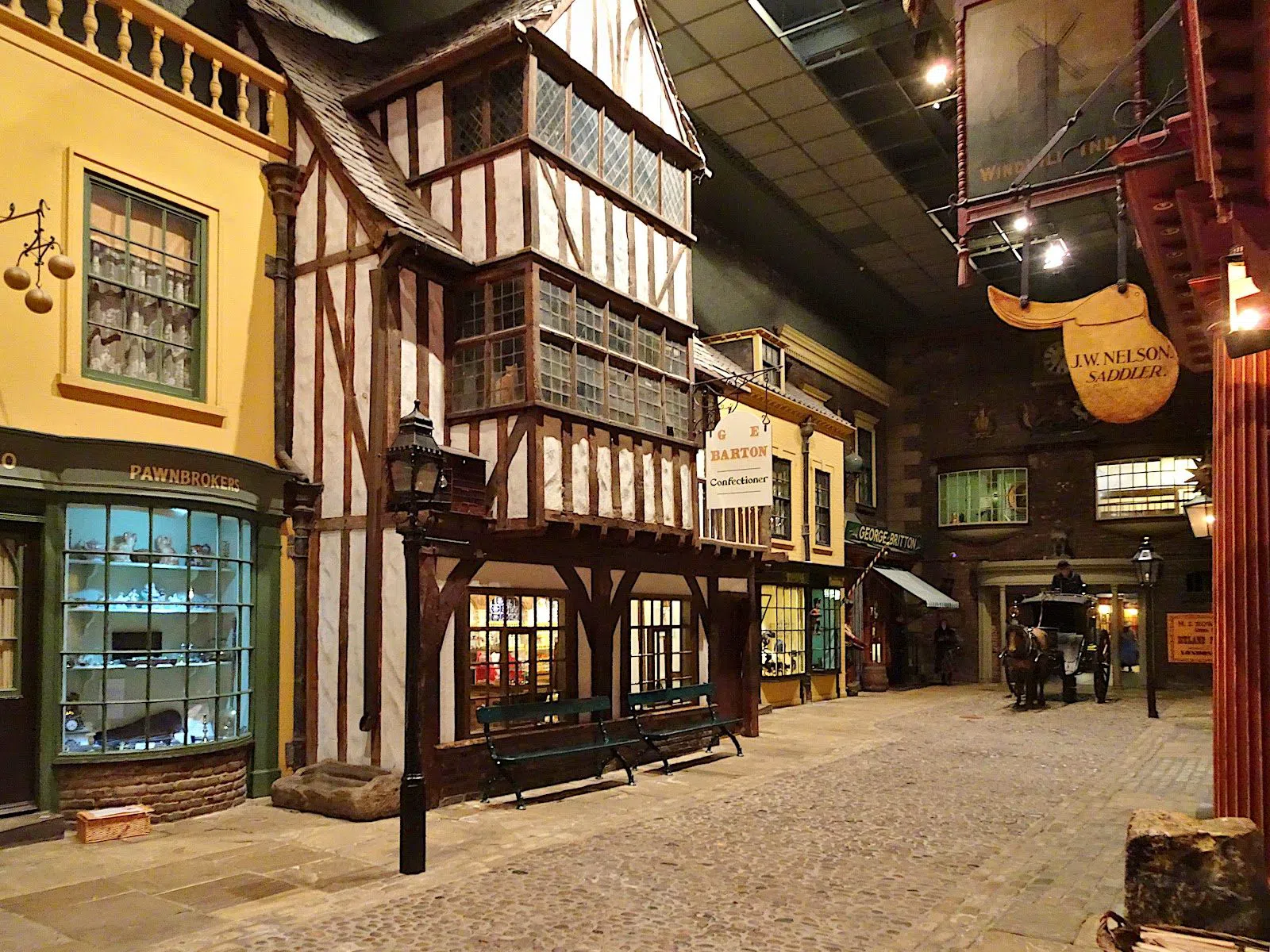
York Castle Museum (Eye of York, at the river end of Tower Street) opens Monday 11am–5pm and Tuesday to Sunday 10am–5pm, costs around £15 for an adult, and the ticket converts into a twelve-month pass. Its recreated Victorian street is the best reason in York to stay a second night. Pre-book on Saturdays and in school holidays, which matters for any group of more than a few.
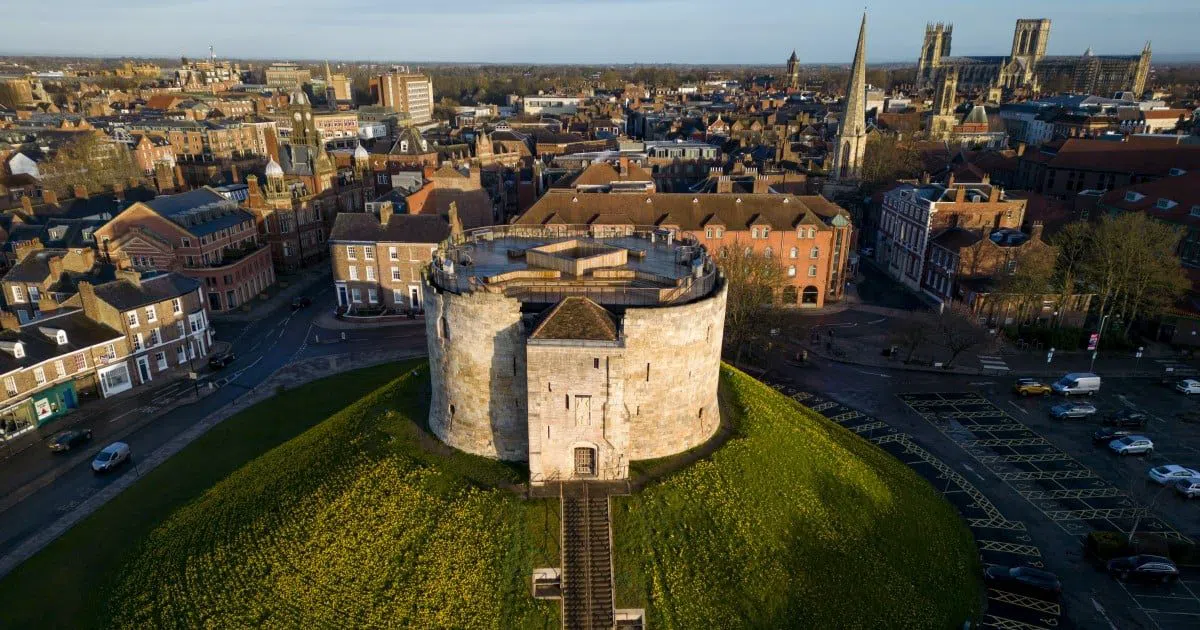
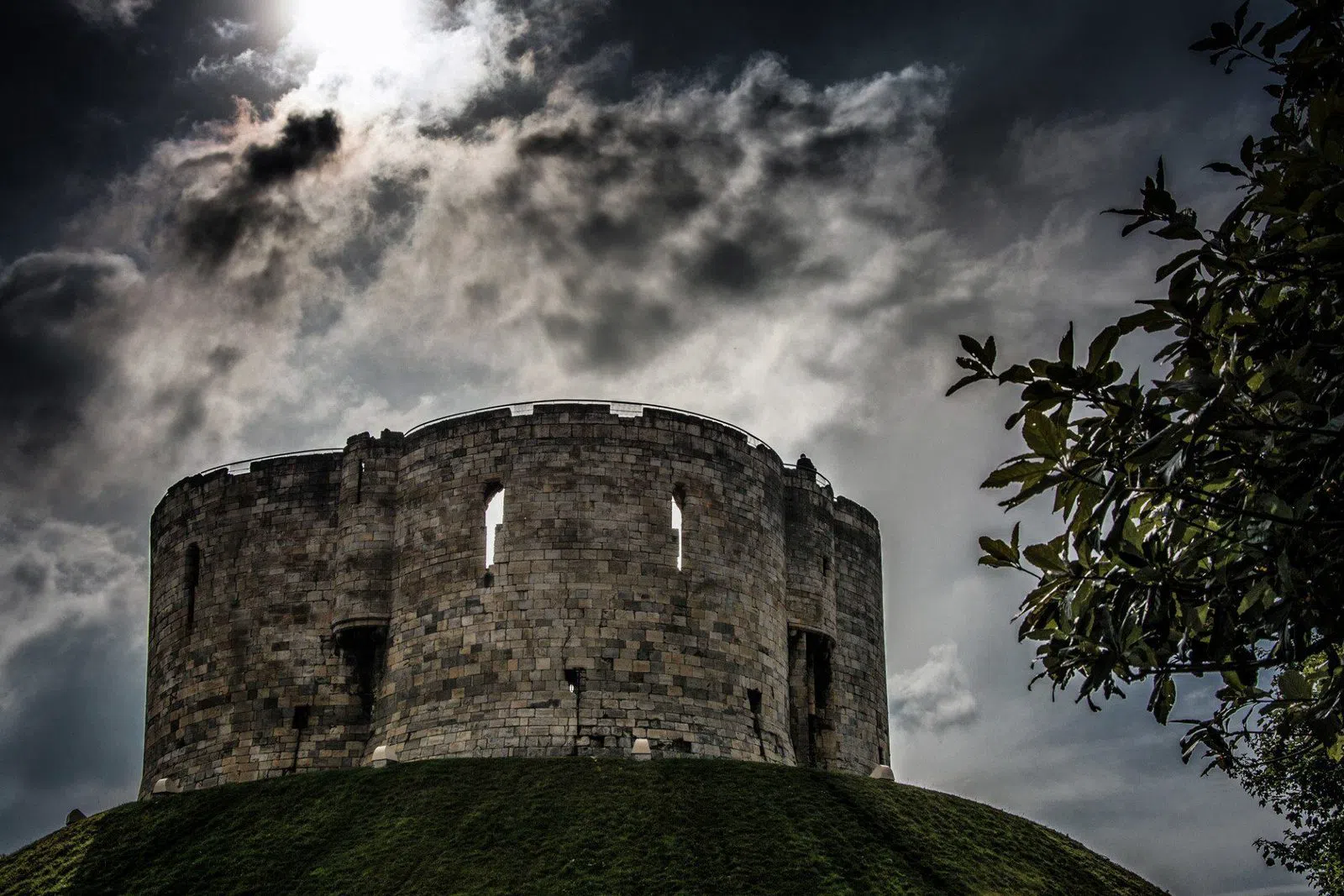
Clifford's Tower (Tower Street) is next door, open seven days with seasonal hours and last entry thirty minutes before closing. Around £10, up to 25% less booked online in advance, and English Heritage runs a group visits scheme. This is a 30–45 minute stop rather than a half day: the timber deck added in the recent restoration is what makes the climb worth it, and it gives you the shape of the city from above in a way the walls cannot.
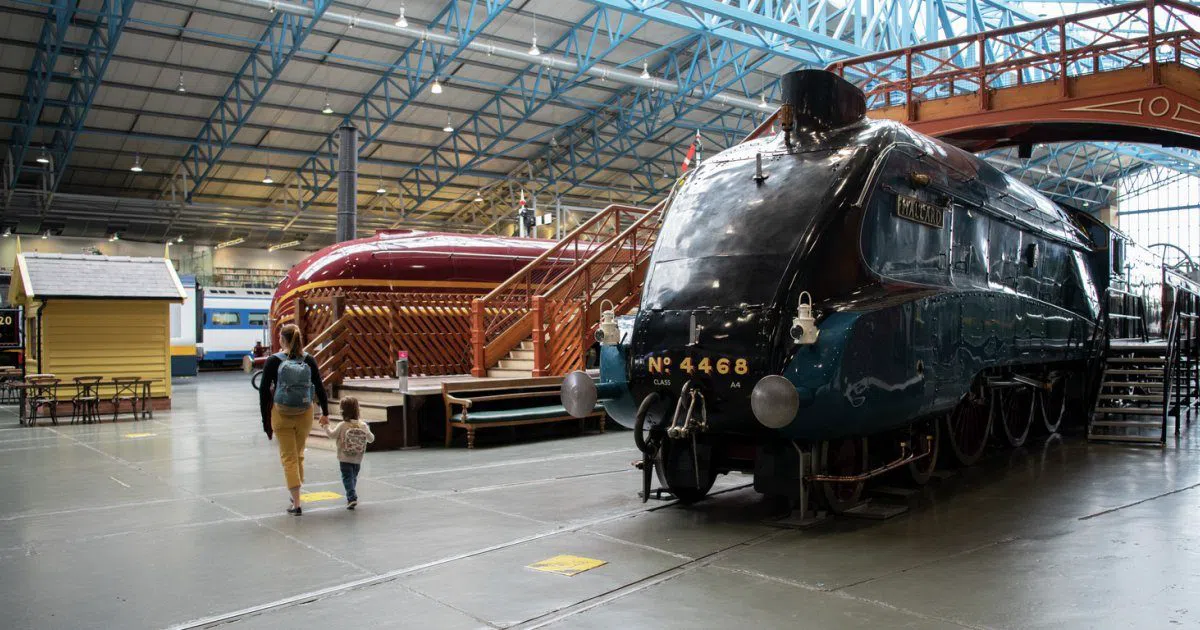
National Railway Museum (Leeman Road, ten minutes behind the station) is free with a booked admission slot, and the scale of the halls makes it the easiest place in York to take a large or mixed-age group. Station Hall reopened in September 2025 as part of the museum's ongoing rebuild, so you will be walking through a new central hall and entrance taking shape around you. Give it half a day and a second York day stops feeling like padding.
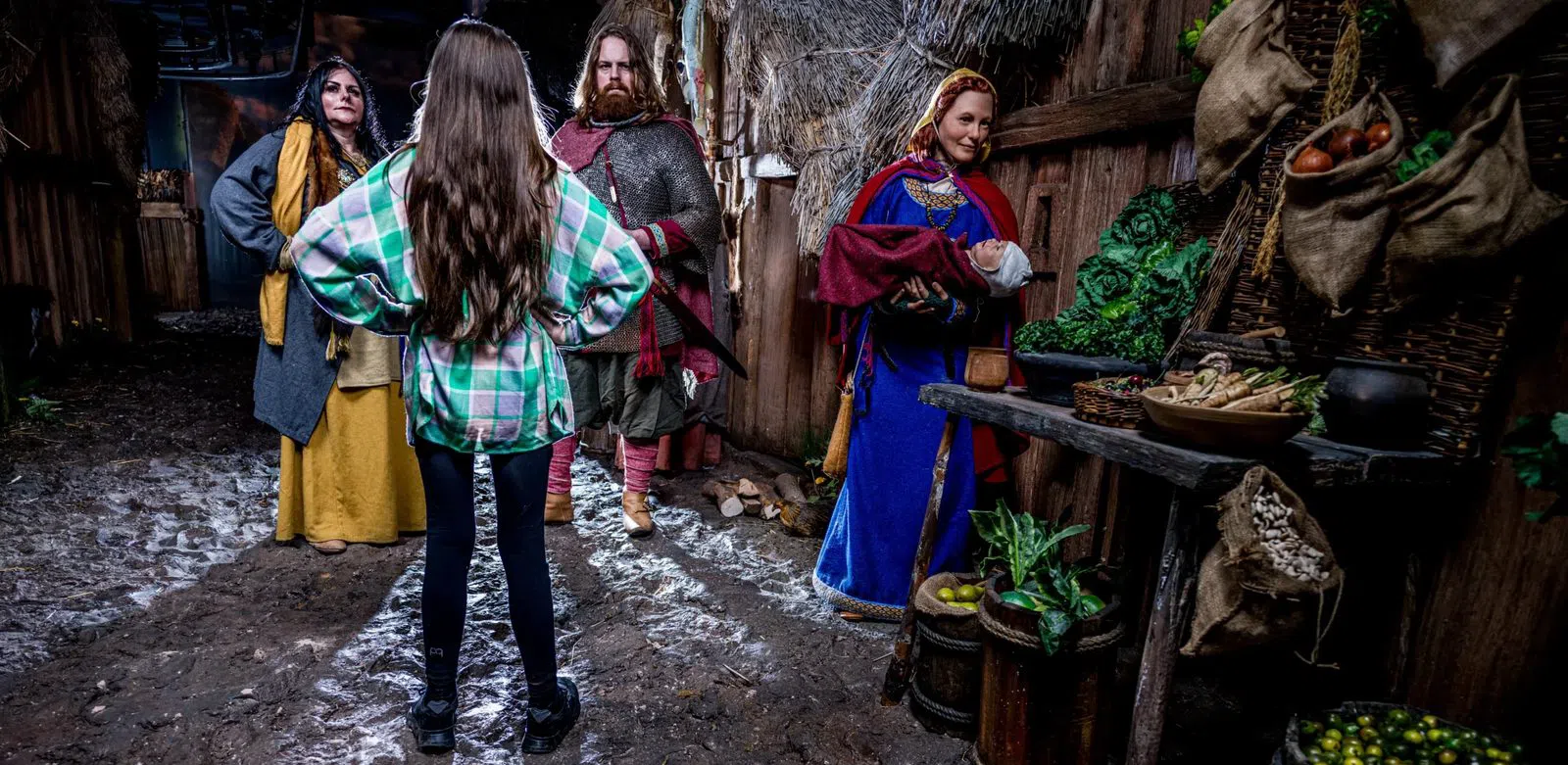
JORVIK Viking Centre (Coppergate) is the hour-long one: £17.50 adult and £12 child in 2026, timed slots essential, group rates handled by phone on 01904 615505, and a security check on arrival that costs about ten minutes. It sits directly on the Coppergate excavation, so the Viking claim is literal rather than decorative. Pair it with something else on the same afternoon instead of building a half-day around it.
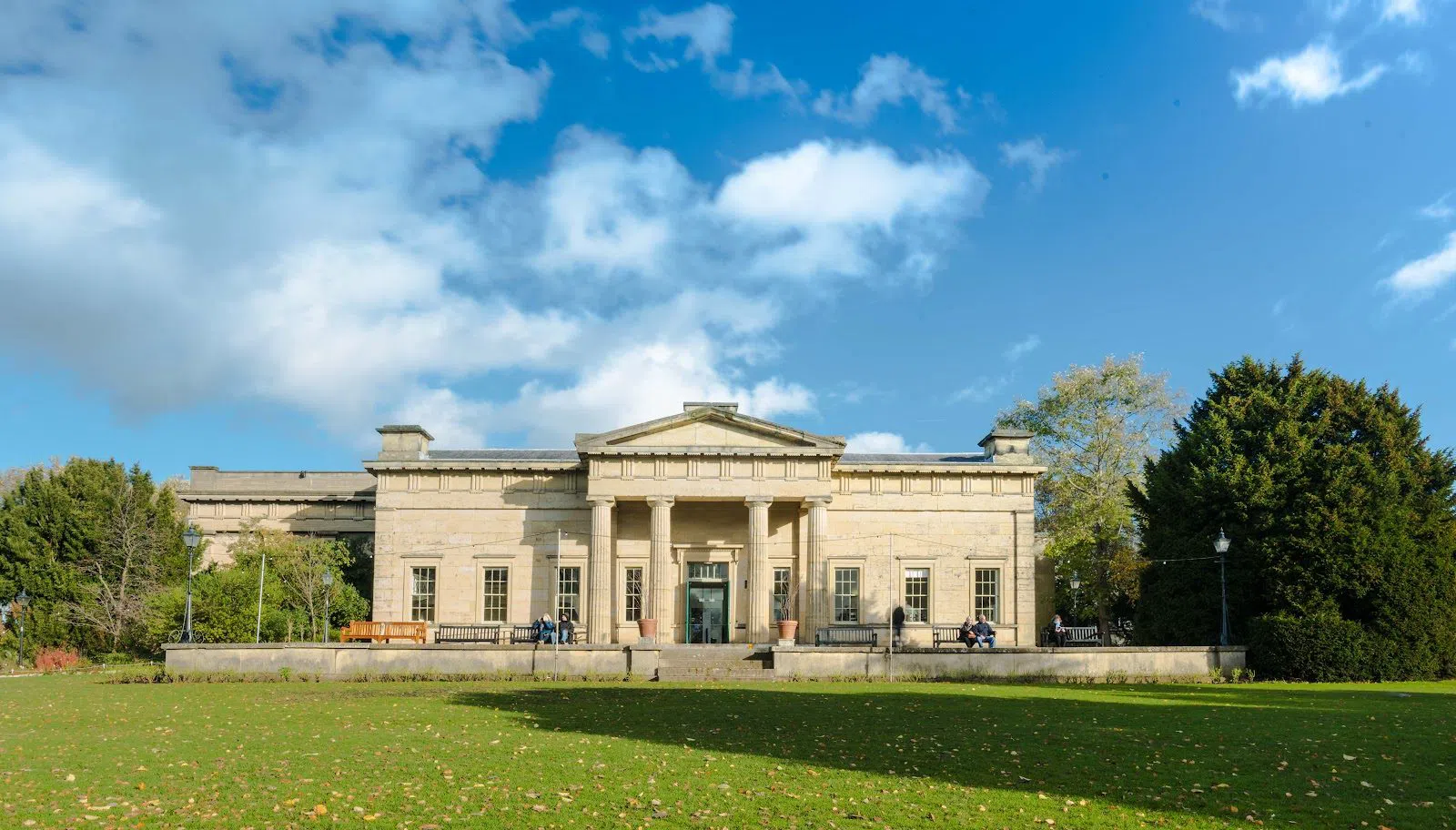
If a day goes loose, Yorkshire Museum & York Museum Gardens (Museum Street) is the place to let it. The gardens are free and open daily 9am–6pm with no ticket, which makes them the natural regroup point for a party that has scattered, and the Roman and abbey remains stand out in the open among them. Museum admission is separate at about £10 and also converts to a twelve-month pass.
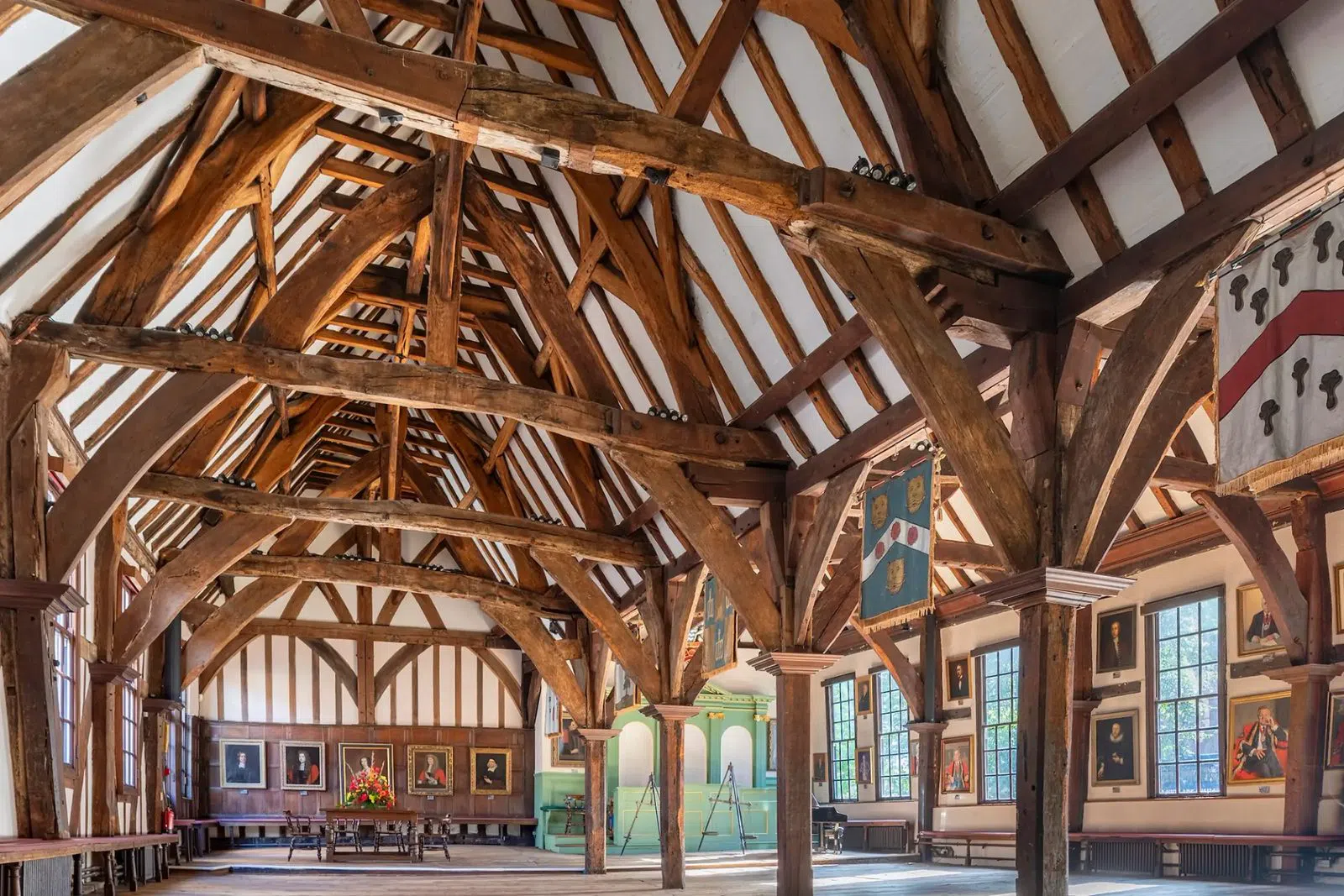
For anyone who reaches a second afternoon wanting something quieter, Merchant Adventurers' Hall (Fossgate) opens Sunday to Friday 10am–4.30pm and Saturday 10am–1.30pm, costs around £7.50, needs no advance booking and offers guided tours, which suits a small group well. It is one of the finest surviving medieval guildhalls anywhere, and it is reliably calm: the sort of building that only reaches your itinerary if York has a second day.
Where a York day loses an hour
Two places will take more time than you have budgeted, and knowing which is which is most of the planning.
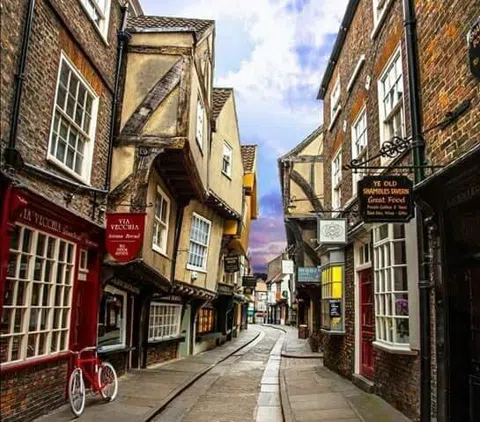
The York Ghost Merchants (the Shambles) has no booking system. You queue, and at weekends and in school holidays that queue has run to three hours; ghosts start around £20. On a single day in York this can swallow your whole afternoon, whereas on a two-night trip you walk past at opening time and it costs you twenty minutes. Either way, the release valve is their second shop, the York Ghost Dispensary at St Anthony's Garden on Peasholme Green, the same idea for a fraction of the wait.
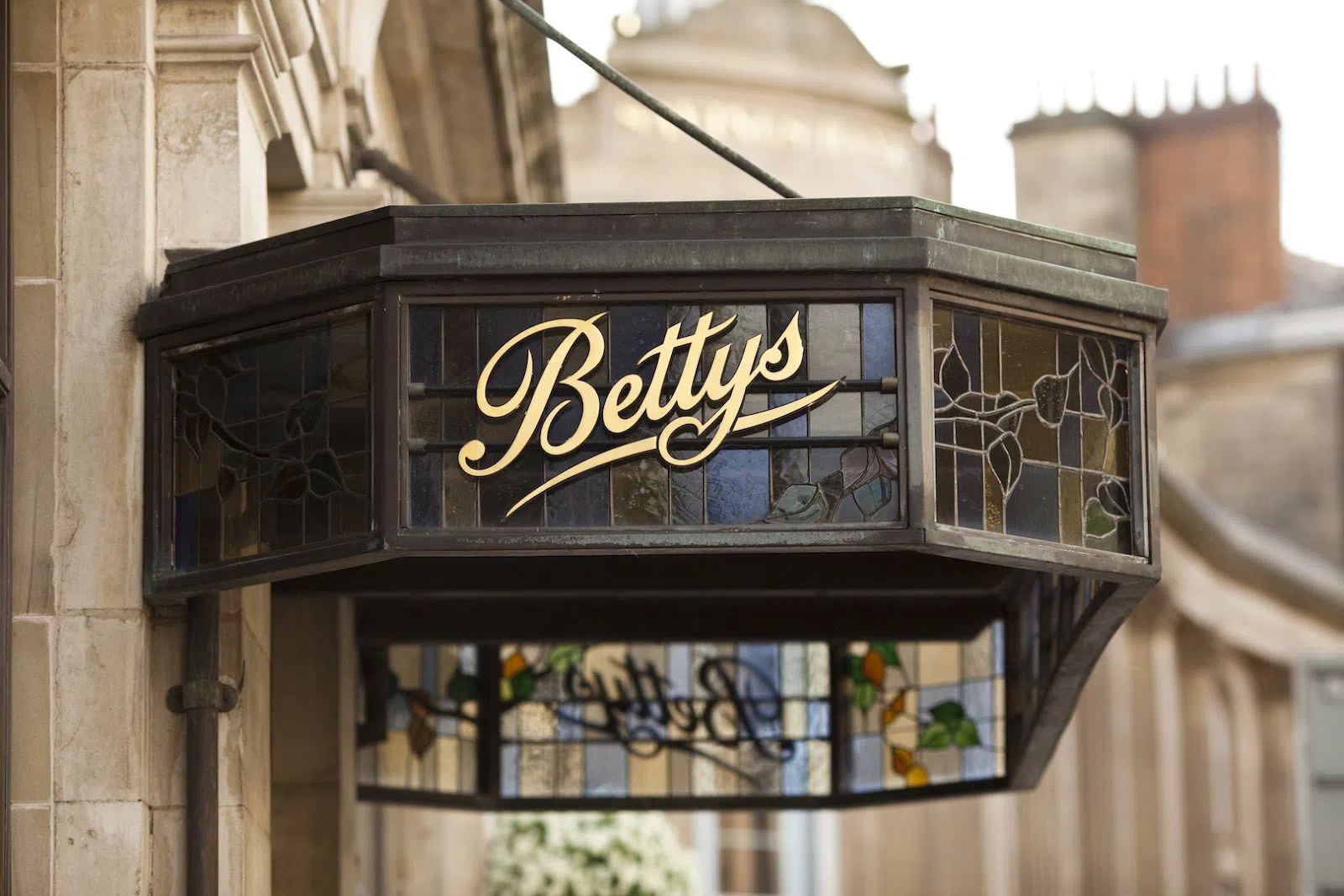
Bettys Café Tea Rooms York (St Helen's Square) has the same problem in a different shape. The main café takes no walk-in bookings and the pavement queue is genuine. Hours are Sunday to Wednesday 9am–5.30pm, Thursday and Friday 9am–9pm and Saturday 8.30am–9pm, with the café running roughly £12–£25 a head. The fix is Lady Betty Afternoon Tea in the Belmont Room, bookable by phone on 01904 659142 at about £45 a head; it converts an unpredictable hour of standing into a fixed slot, which is what a tight itinerary needs. The accessible lift is currently out of order, which matters if you are planning around step-free access.
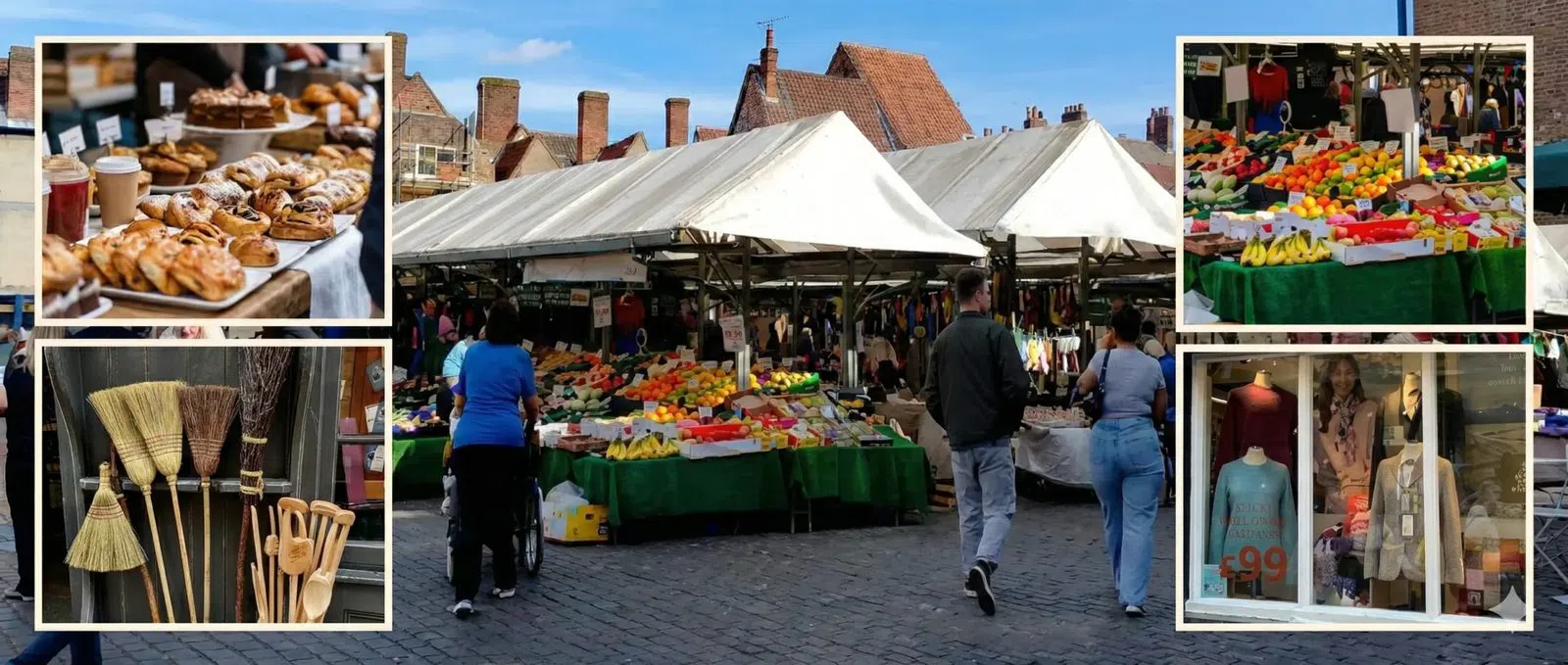
The reliable middle ground for lunch is Shambles Market (off the Shambles, on Newgate), open seven days 9am–5pm, free to wander, with 75-plus stalls and a food court where street food runs roughly £8–£14. It feeds a group of mixed tastes without a booking and without costing you an hour. Most traders take contactless; a little cash still helps at the greengrocers.
Dinner decides which nights you book
York's better kitchens close more often than visitors expect, and those closures should drive your dates rather than the other way round.
Skosh (Micklegate) serves Wednesday to Friday 12–2pm and 5.30–10pm, and Saturday 12–10pm, closed Sunday to Tuesday. Neil Bentinck's small-plates kitchen holds a Michelin Bib Gourmand and three AA rosettes, and expanded in 2024 with a bar and a private room; expect £45–£70 a head. Parties of six or more must book direct on 01904 634849, the largest table is twelve, and there is a 24-hour cancellation policy at £20 per person. Couples and pairs can usually take a walk-in seat in the bar.
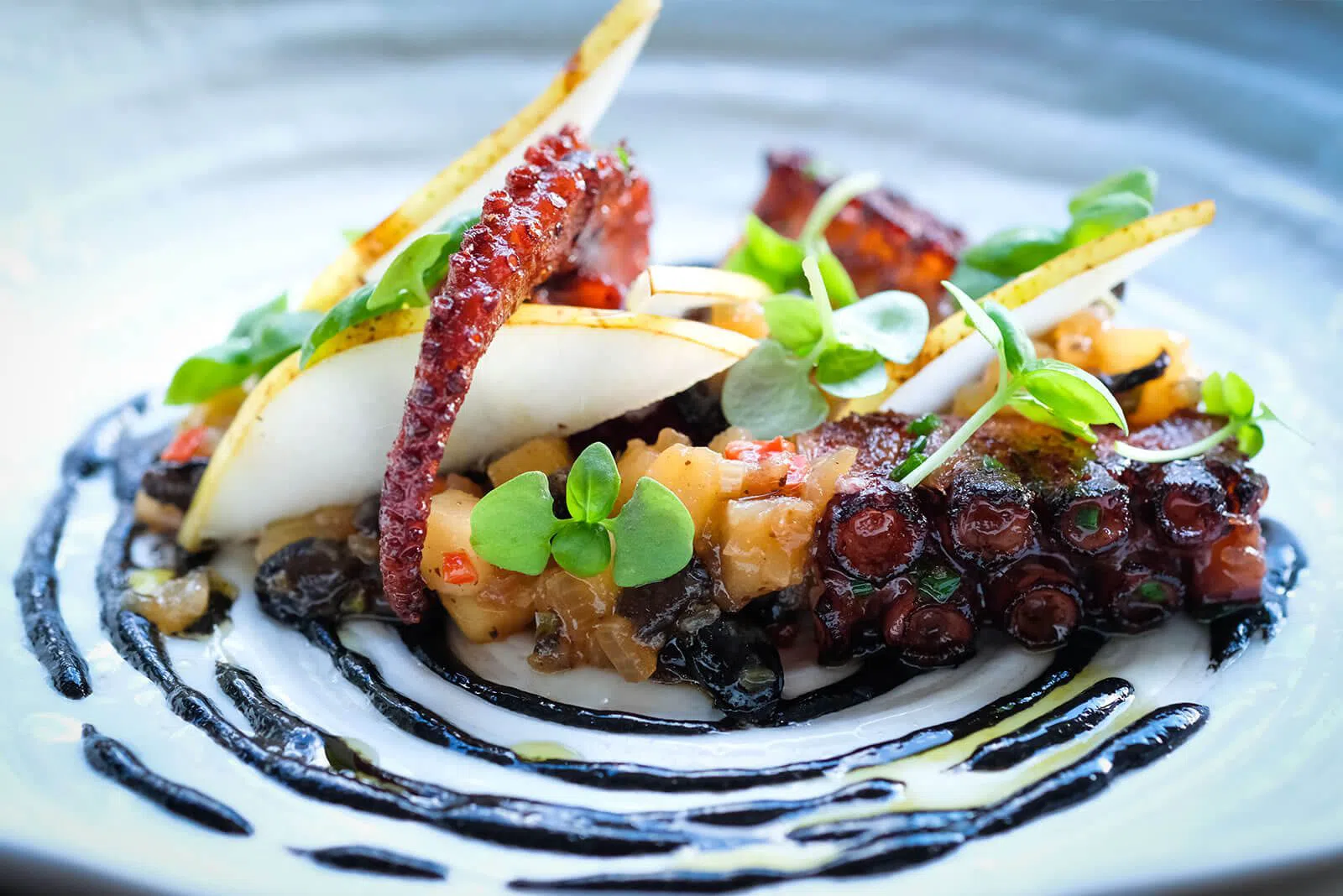
Roots York (Marygate) sits at the other end of the scale: Tommy Banks' city restaurant, Michelin-starred since 2021, running a tasting-menu format on set sittings, with a core menu at £110, the signature at £165 and a Sunday feast from £75. It is not a drop-in, and a large party needs to book well ahead and direct. If you are the kind of traveller who plans a trip around one dinner, this is why York earns a night rather than a lunch stop.

Read those two schedules together and the question of which nights often answers itself. A Wednesday-to-Friday stay opens both doors; a Sunday-to-Tuesday one closes several.
Two ways to use a York evening
The Original Ghost Walk of York leaves nightly at 8pm year-round from outside the King's Arms on Kings Staith, moving to Ouse Bridge when the river floods. It has run since 1973, lasts 75 minutes and costs £10 for adults, £6 for children and students. There is no booking; you turn up and pay cash, which makes it the simplest group activity in the city. Expect some closures over Christmas and race weeks.
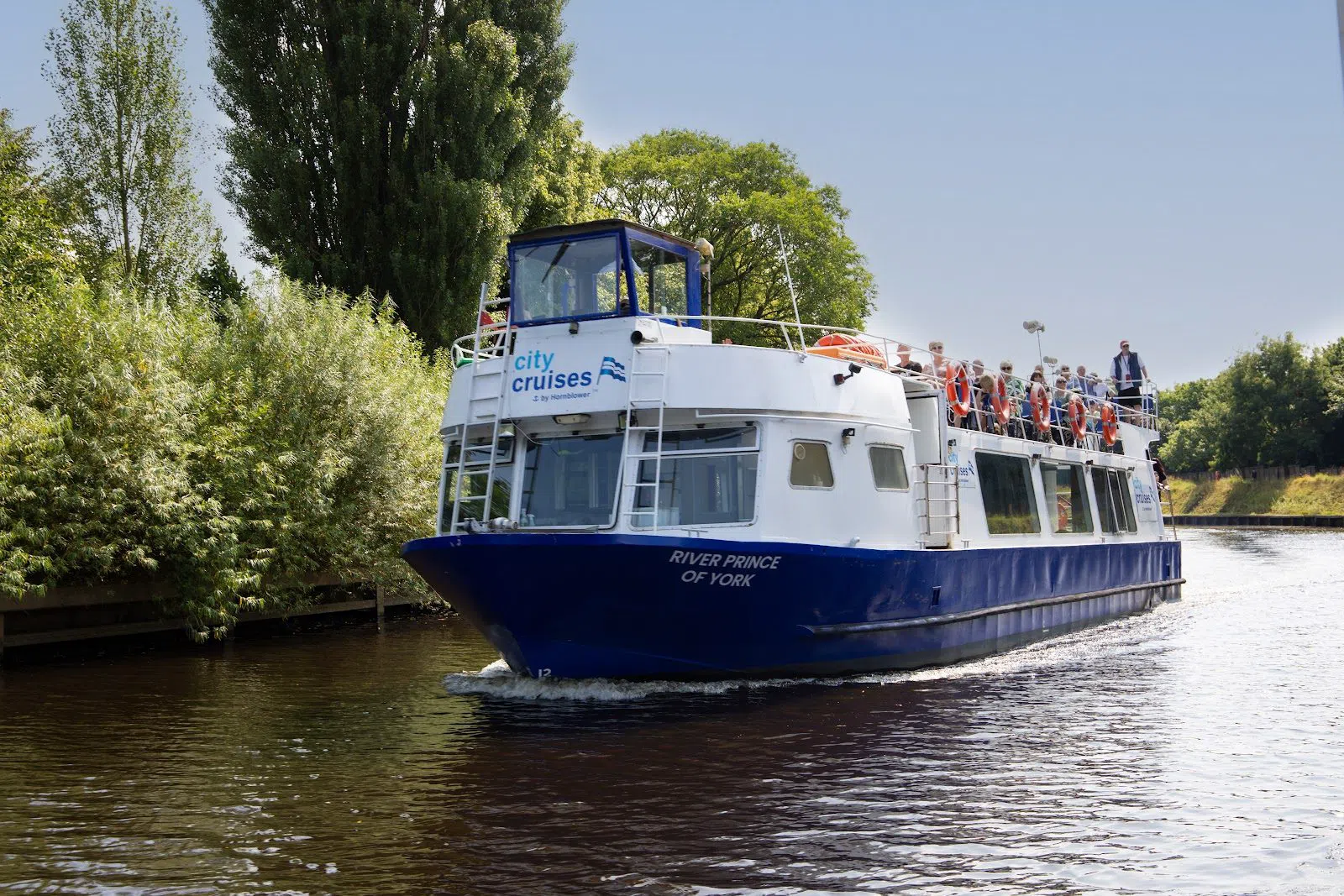
City Cruises York sails daily from 1 January to 20 November, with festive cruises from 21 November to 31 December, boarding at the Ouse landings in the centre. The 45-minute sightseeing cruise is around £15 with live commentary from local skippers; between the enclosed saloon and the open deck it runs in any weather, and there is a café and bar aboard. It shows you York from the water rather than from the walls, and it slots neatly into a late afternoon before dinner.
Both of these exist in your plan only if you are staying the night, which is a fair part of the argument for doing so.
The third day and the case for Castle Howard
A third day is worth having mainly if you spend it outside the walls, and Castle Howard (Ryedale, north-east of the city) is the strongest use of it. The house opens 10am–4pm with last entry at 3pm, the grounds and arboretum 10am–5pm and the courtyard from 9.30am; an adult house-and-grounds ticket is about £27, and there is a dedicated group visits scheme alongside.

It is reachable without a car on the 180/181 bus from outside York railway station or the Stonebow stop, for just over £8 return, and the bus ticket earns a discount on admission. The part people underestimate is the journey: a slow, village-by-village route of about 90 minutes each way, which makes a car-free visit a full day out rather than a morning. Take the earliest sensible departure and plan nothing back in York that evening beyond dinner. If you are staying inside the walls (York hotel search is the place to start), you are within ten minutes' walk of both stops.
Groups, couples and who each place suits
Groups do best in the free and unticketed spaces: the walls, the Museum Gardens, Shambles Market, the ghost walk. The Railway Museum's halls, the boat's two decks and the Castle Museum's rooms all absorb numbers without anyone waiting outside.
Pairs and small parties get the better of the queued and booked places: the tower climb, a bar seat at Skosh, a walk past the ghost shop before opening. Anything with a timed slot, including the cathedral tower, JORVIK and the Castle Museum on a Saturday, gets harder in direct proportion to your group size. Book those first and fill the rest of the plan around them.
Practical notes
One day covers the cathedral, the walls and a market lunch. Two nights add the Castle Museum, Clifford's Tower, the Railway Museum, an evening walk or a river cruise, and one proper dinner. Three nights make sense if you want Castle Howard, or if you want a York day with nothing booked in it at all.
Everything within the walls is walkable, most of it inside fifteen minutes; the Railway Museum is a ten-minute walk or a short road-train ride from the centre. Nothing in this article needs a car, including the day out to Castle Howard.
Contactless works almost everywhere. Two things are worth carrying notes for: the ghost walk is paid in cash on the night, and some market greengrocers prefer it.
Book the tower slot, JORVIK, Skosh or Roots and the Belmont Room at Bettys before you arrive, and leave the walls, the gardens, the market and the guildhall as the flexible parts of the plan. Check the restaurant closing days before you fix your dates, not after.
A frugal day is close to free: walls, gardens, Railway Museum, market lunch. A representative two-night trip taking in the cathedral with the tower (£26), the Castle Museum (£15), Clifford's Tower (£10), JORVIK (£17.50) and the ghost walk (£10) lands under £80 a head in admissions before food. Dinner is the variable: £45–£70 at Skosh, £110 and upwards at Roots.
The York guide picks up where this leaves off, with the eating, the walking and the streets beyond these pages.
Before you go
Is one day in York enough?
It is enough to see York, not to use it. A realistic day is York Minster in the morning (about £20 adult, or £26 with the tower), lunch at Shambles Market, a stretch of the city walls and one short stop such as Clifford's Tower or JORVIK. Anything with a queue, such as the Ghost Merchants or the main café at Bettys, will not fit.
How long does York Minster take, and do you have to book the tower?
Allow half a day for the nave, undercroft and tower together. The tower climb is sold in small timed slots with a minimum age of eight, so book in advance; a group of more than about six will be split across separate departures. The adult sightseeing ticket is valid for twelve months and children of 17 and under go free with a paying adult, up to four per adult.
How long does it take to walk the York city walls?
About two hours for the full 3.4km circuit. The walls are free and unticketed, open daily from 8am to dusk. The walkway is single-file in places with uneven steps and no handrail on some stretches, and sections close in snow, ice or for maintenance.
Can you visit Castle Howard from York without a car?
Yes. The 180/181 bus runs from outside York railway station or the Stonebow stop for just over £8 return, and the ticket gets you a discount on admission. It is a slow village-by-village route of roughly 90 minutes each way, so treat it as a full day: the house opens 10am to 4pm with last entry at 3pm, and admission is about £27 for house and grounds.
Do you need to book York restaurants in advance?
For the two best-known kitchens, yes, and their closing days should shape your dates. Skosh (Micklegate) is closed Sunday to Tuesday, takes bar walk-ins, and requires direct booking on 01904 634849 for six or more, with a maximum table of twelve. Roots York runs a set-sitting tasting menu from £110 and is not a drop-in. For afternoon tea, the Belmont Room at Bettys is bookable by phone at around £45 a head, which avoids the pavement queue.